Written By: Casa Toscana Lodge
| Photographer = | Photavio |
| Venue = | Casa Toscana Lodge |
Choosing Your Wedding Flowers & Colours: Trends for 2026
Your wedding flowers and palette do more than decorate the day—they frame your story, set the tone, and bring cohesion across ceremony, reception and every moment in between. As we look toward 2026, some exciting trends are shaping how couples are choosing florals and colours. Use these as inspiration—not rules—to guide a look that feels current and timeless.
1. Begin with Your Vision & Venue
Start by thinking: What kind of vibe are you going for?
- Are you drawn to refined elegance, relaxed boho charm, modern minimalism, or bold drama?
- What’s your venue like—Casa Toscana Lodge has a Tuscan Inspired Architecture, which makes all the themes possible with multiple venues to choose from
- How does your dress, your partner’s outfit, your bridesmaids, your décor all fit together?
Your floral and colour choices should feel like a natural extension of that overall aesthetic. When a venue has a strong character (stone walls, tall windows, lush greenery), your blooms and colours should complement rather than compete.
2. What’s Trending for 2026 — The Big Picture
Here are some of the major trend-threads for flowers and colour palettes in 2026 that you’ll see referenced by florists and style guides:
- Monochromatic and tonal colour stories: Using one colour family with multiple shades (for example blush to mauve, or cream to butter yellow) to allow texture and form to shine.
- Bold colour blocking or unexpected pairings: Vibrant, confident palettes such as citrus tones, jewel-tones, or terracotta/rosewood combos.
- Earthy neutrals with an edge: Creams, warm taupes or beiges paired with sage green, terracotta, burnt caramel etc.
- Sustainability, locally grown or in-season flowers, mixing fresh + dried/preserved florals, repurposing ceremony pieces into reception settings.
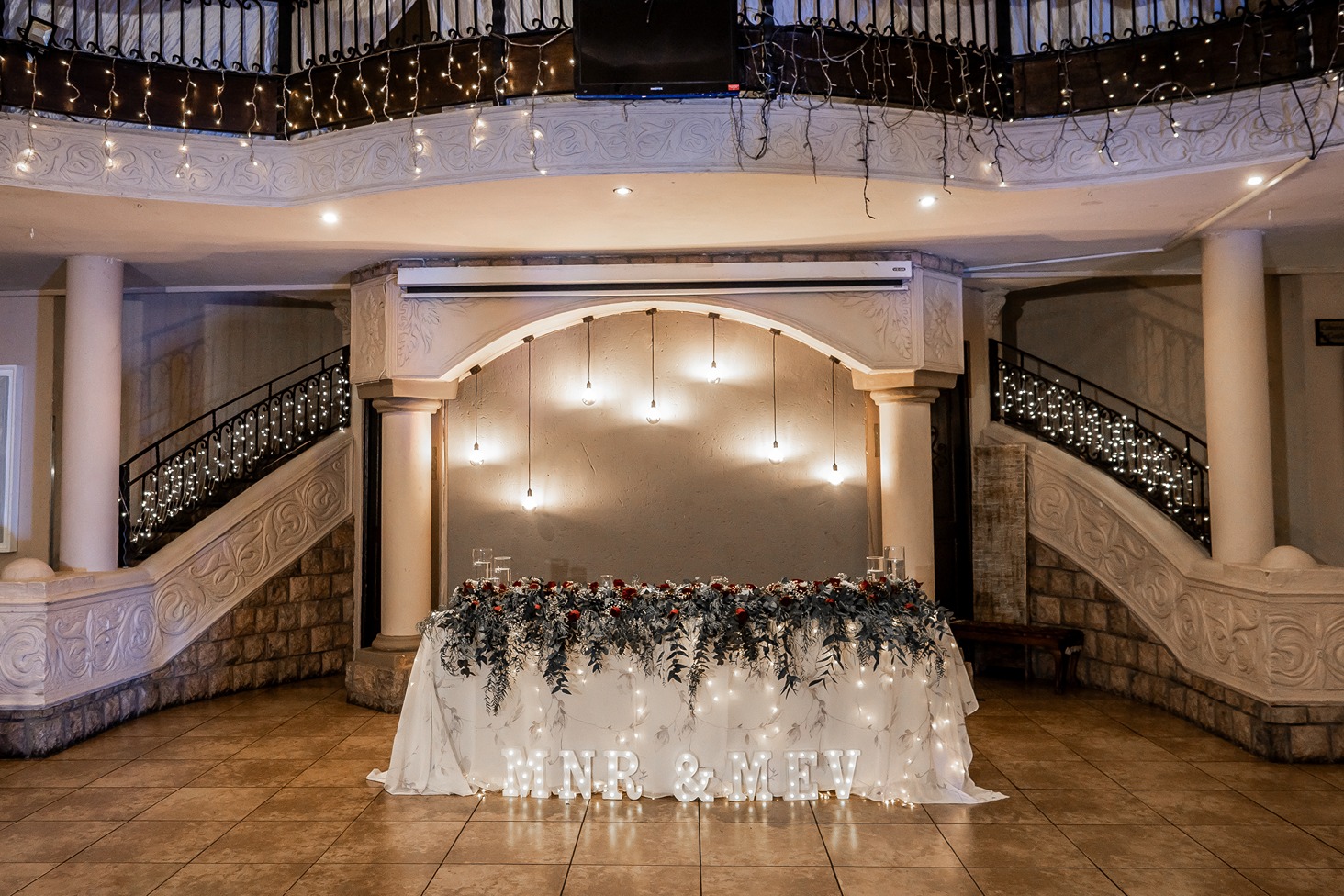
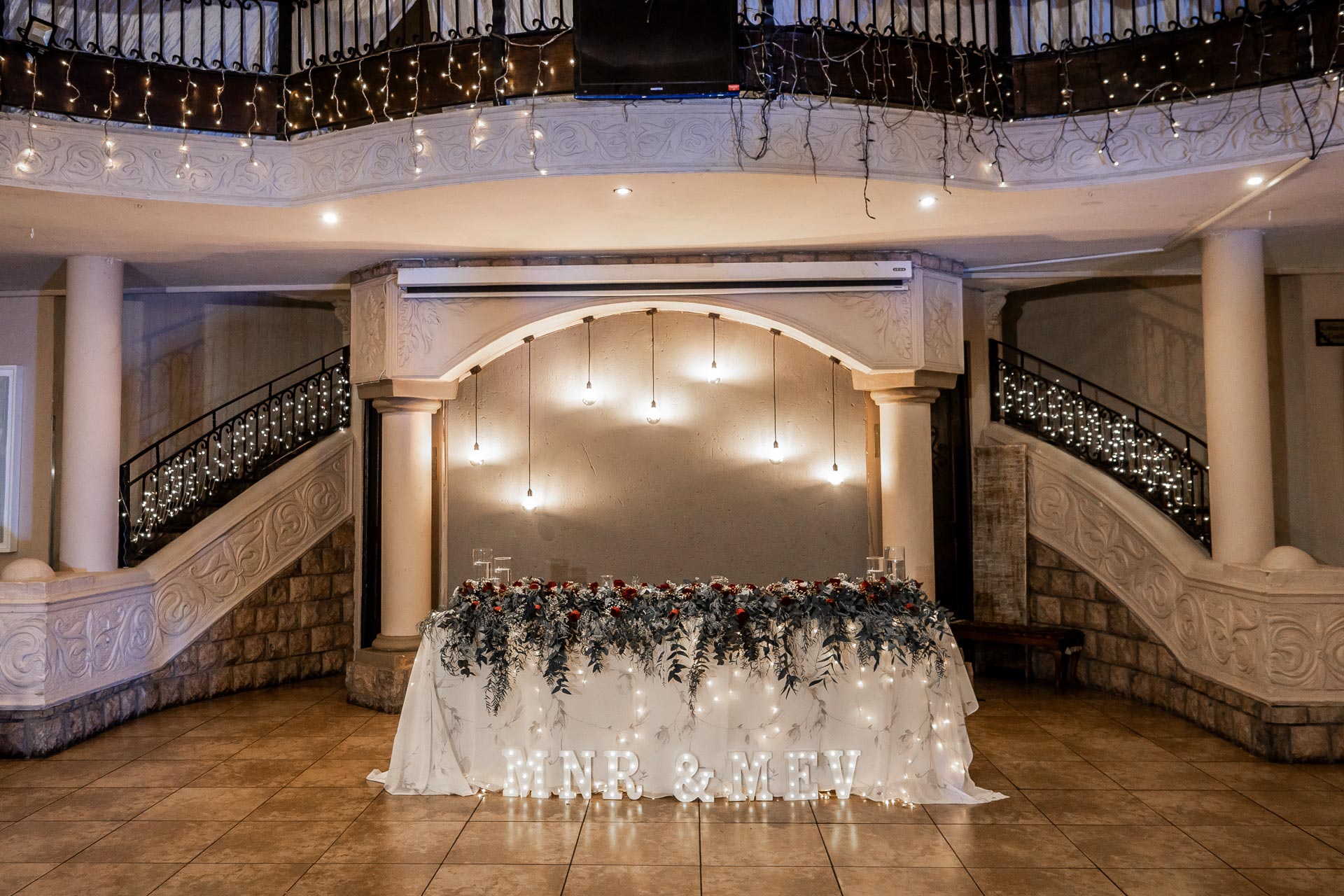
- Statement floral architecture: hanging installations, arches, lush trailing greenery, sculptural arrangements that make a visual moment.
So when you’re choosing your flowers + colours, you can pull from these trends—but always built around your story.
3. Colour Palette Inspiration for 2026
Here are some palettes with real-world applications, along with how to choose them.
Palette Ideas
- Soft Citrus & Warm Neutrals: Think butter-yellow, soft peach, apricot, vanilla cream, sage green. Works beautifully for spring/summer, outdoor or garden weddings.
- Earthy Neutrals with a Modern Twist: Creams, taupe, warm beige paired with terracotta, burnt caramel, muted sage. Elegant yet modern.
- Jewel Tones for Rich Drama: Deep emerald, sapphire blue, rich magenta/plum – especially great for autumn/winter weddings or those with strong architectural venues.
- Pastel Revival & Dreamy Hues: Dusty lilac, blush pinks, powder blue, combined with soft greenery for a whimsical feel. Especially suited to spring, garden, brunch-style weddings.
Choosing Your Palette
- Decide on 1 main colour family + 1 accent shade + neutrals.
- Consider how that palette plays with your venue and season: lush garden vs winter indoor; large windows vs low light.
- Think about the feel you want: airy & light, warm & cosy, bold & glamorous.
- Ensure the palette extends beyond just the bouquet: table linens, bridesmaids’ dresses, stationery, signage, décor details should echo it for cohesion.
4. Flower & Texture Selection: Making It Real
Once you have your colour palette and mood, it’s time to pick flowers and textures that support it. For 2026 especially:
What’s Trending in Flowers & Texture
- Textural interplay: feathery grasses, pampas, seed pods, trailing vines, architectural greens. These bring movement and depth.
- Mixing fresh + dried/preserved: A savvy way to add lasting interest (and sustainability) without compromising beauty.
- Statement installations: Arches, suspended floral clouds, lush aisle runners, large centrepieces. These elevate the entire environment rather than simply decorate.
- Blooms to watch: Some specific flower names are gaining prominence for 2026 — for example, airy cosmos, sleek anthuriums, ruffled ranunculus.
Matching to Your Palette
- If you choose warm citrus/neutral palette, pick roses in cream/peach, ranunculus in apricot, sage foliage, maybe terracotta-toned dried grasses.
- For jewel tones, choose deeper roses or dahlias in plum/emerald/blue, rich greenery, metallic accents in gold or bronze.
- For pastels, pick blush roses, lilac lisianthus, powder blue delphinium, soft eucalyptus or dusty miller for muted greens.
- Keep in mind seasonality and local availability—using what’s in bloom ensures better quality and better value.
5. Cohesion & Flow: From Ceremony to Last Dance
Your flowers and palette should flow through all phases of the day:
- Ceremony: Entrance arch/floral backdrop in your chosen palette; aisle décor (florals + greenery) that echo the palette.
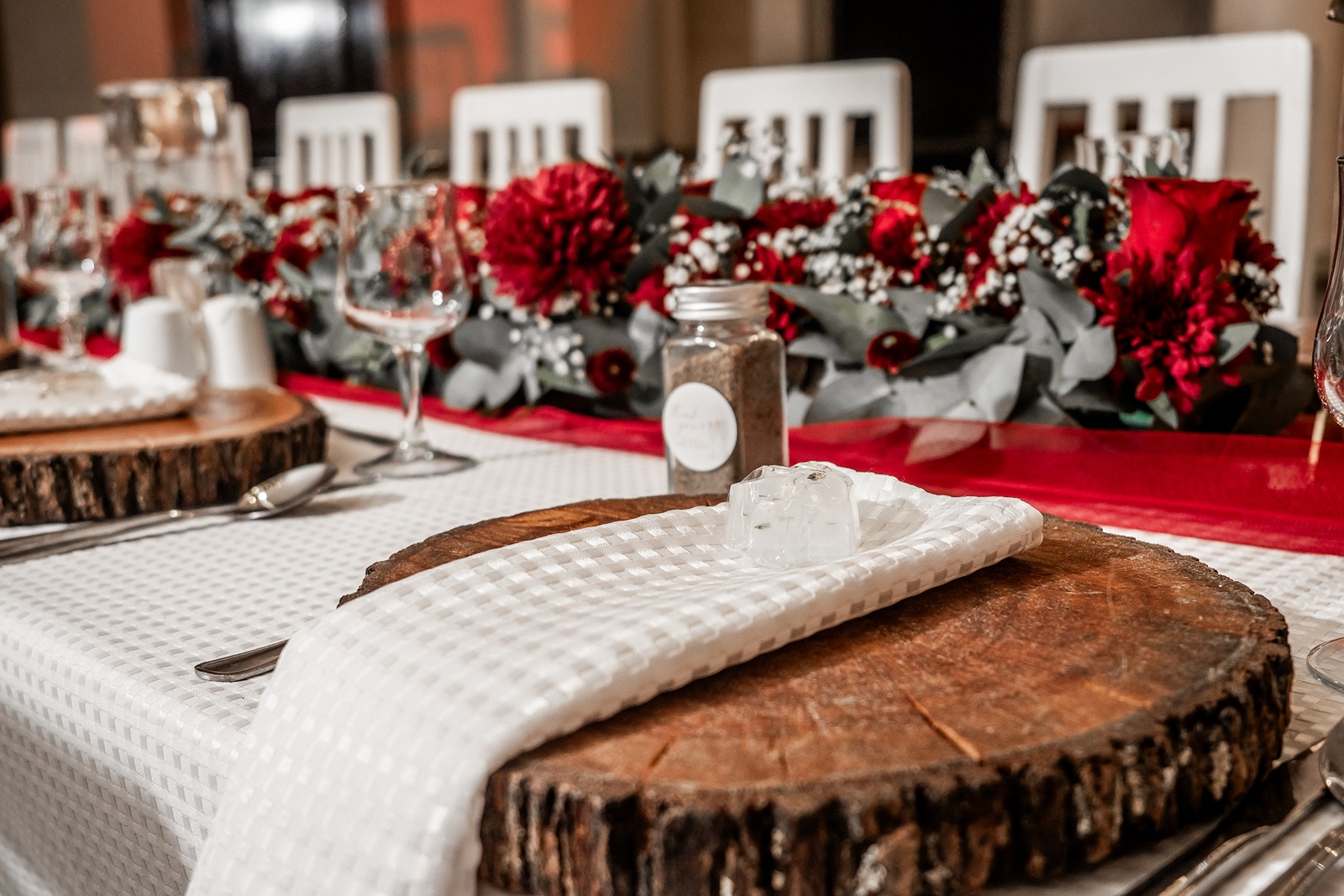
- Reception: Table centrepieces, lounge floral touches, cake décor, signage florals—all nodding back to your palette.
- Transitions: Consider repurposing ceremony florals into reception such as moving the arch greenery to the sweetheart table, or using aisle blooms for cocktail hour. Sustainability + cohesion.
- Bridal bouquet & buttonholes: These should tie in with your main palette but can include a “special element” (a personal bloom, heirloom ribbon, meaningful texture).
- Colour consistency: Check that your florist, stationery designer, lighting team and décor vendor are all aligned to the same palette to avoid unintended mismatches.
6. Personalisation, Sustainability & Longevity
In 2026, many couples want their wedding flowers and colours to say something more—about them, their values, their story.
- Choose local, seasonal blooms to reduce carbon footprint and support local growers.
- Consider repurposing arrangements or donating after the day.
- Integrate meaningful flowers: maybe a bloom connected to family, heritage, or a story you share.
- Consider how your florals will look in photos and how they’ll age—dried elements or sturdy blooms hold up well.
- Ask your florist about “what happens after the day” — can stems be dried, reused, or gifted?
7. Step-by-Step Getting It Right
- Mood board: Collect images of florals, colours, textures, venue.
- Palette selection: Choose your main 2-3 colours and neutrals.
- Flower list + vendor check: With your florist, select blooms and textures that match palette and season.
- Venue walk-through: Consider how your florals interact with the space (light, backdrop, other décor).
- Floral architecture: Decide on key moments (arch, centrepieces, table décor) and ensure they reflect your palette and style.
- Flow planning: Map how the floral design transitions from ceremony → cocktail → reception → dance.
- Review & refine: Confirm colours, textures, and how everything ties together (linen, dresses, stationery).
- Final touches: Add personal or sentimental touches: ribbon in a meaningful colour, a bloom from family garden, mix of fresh + dried for longevity.
Final Thoughts
Choosing your wedding flowers and colours for 2026 is both exciting and meaningful. It’s about combining what’s on-trend (monochromatic stories, bold accents, sustainability, rich textures) with what feels true to you. When your palette, blooms and venue all speak the same language, your wedding day will feel coherent, intentional and beautifully yours.