Written By: Muse & Memory Atelier
Who you trust with your wedding photos is incredibly important – and the pressure can feel immense when you aren’t sure how to choose a photographer.
So… how do you choose?
Well, it is important to remember that your photographer isn’t simply someone there with a camera. Your photographer is going to be around for a significant portion of your wedding day; they are going to be present during some very intimate moments; and they are going to help you navigate photographs you’ve never had to take before.
Cue the Kleenex.
Therefore, it is so crucial to be comfortable around the professional you choose. They should be someone you feel understands what matters most to you.
You aren’t just choosing a photography style. You’re choosing the person who will be beside you while your day unfolds.
And there is a lot to discuss before your day arrives.
What should happen before the wedding?
Every photographer works differently, but you can expect things like:
- An initial enquiry/consultation
- Questions about your wedding and what matters to you
- Discussion of photography style
- Packages and pricing
- A contract
- A deposit/retainer to secure the date
- Planning communication as the wedding approaches
- Timeline and location discussions
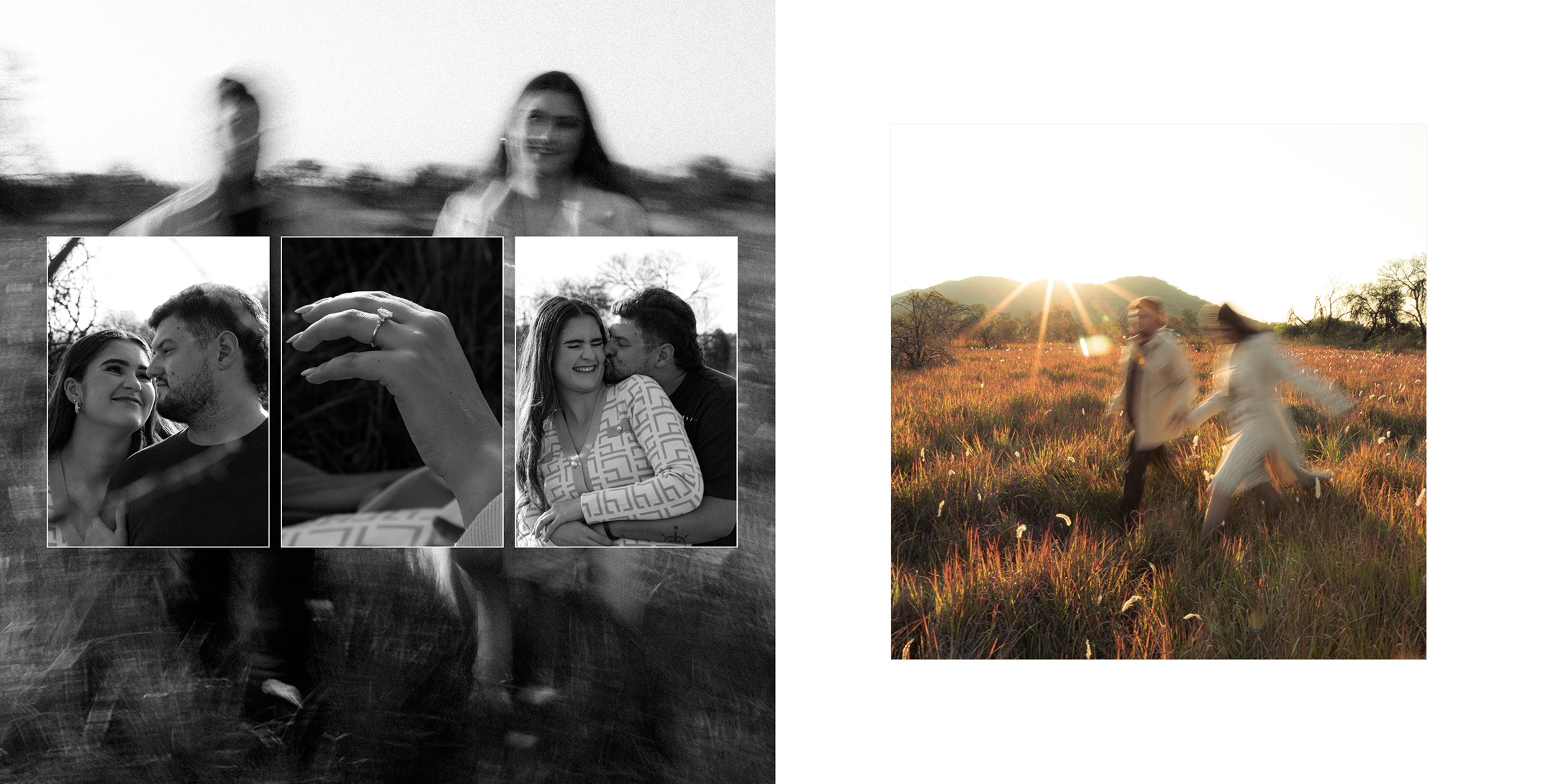
- Possibly a pre-wedding or engagement shoot
But it is imperative to note that good communication goes both ways.
Your photographer can’t prepare properly if they don’t know what’s important to you!
Your photographer should want to know your story
What should they be asking?
- How did you meet?
- What do you love about each other?
- What’s important to you about the wedding?
- Are there particular people or relationships you want documented?
- Are there meaningful details, traditions or moments we should know about?
- Are there parts of the day you’re particularly excited about?
- Is there anything you’re nervous about?
Because the answers help them photograph your wedding, rather than simply recreating somebody else’s Pinterest board.
What actually happens on the wedding day?
Photographers aren’t just standing around waiting for things to happen.
On the contrary, your photographer may help keep things moving according to the plan you set up before the wedding.
Depending on their style, they may be:
- Photographing the details
- Capturing you getting ready
- Guiding you through portraits
- Documenting the ceremony
- Photographing family and group combinations
- Moving around quietly during emotional moments
- Anticipating moments before they happen
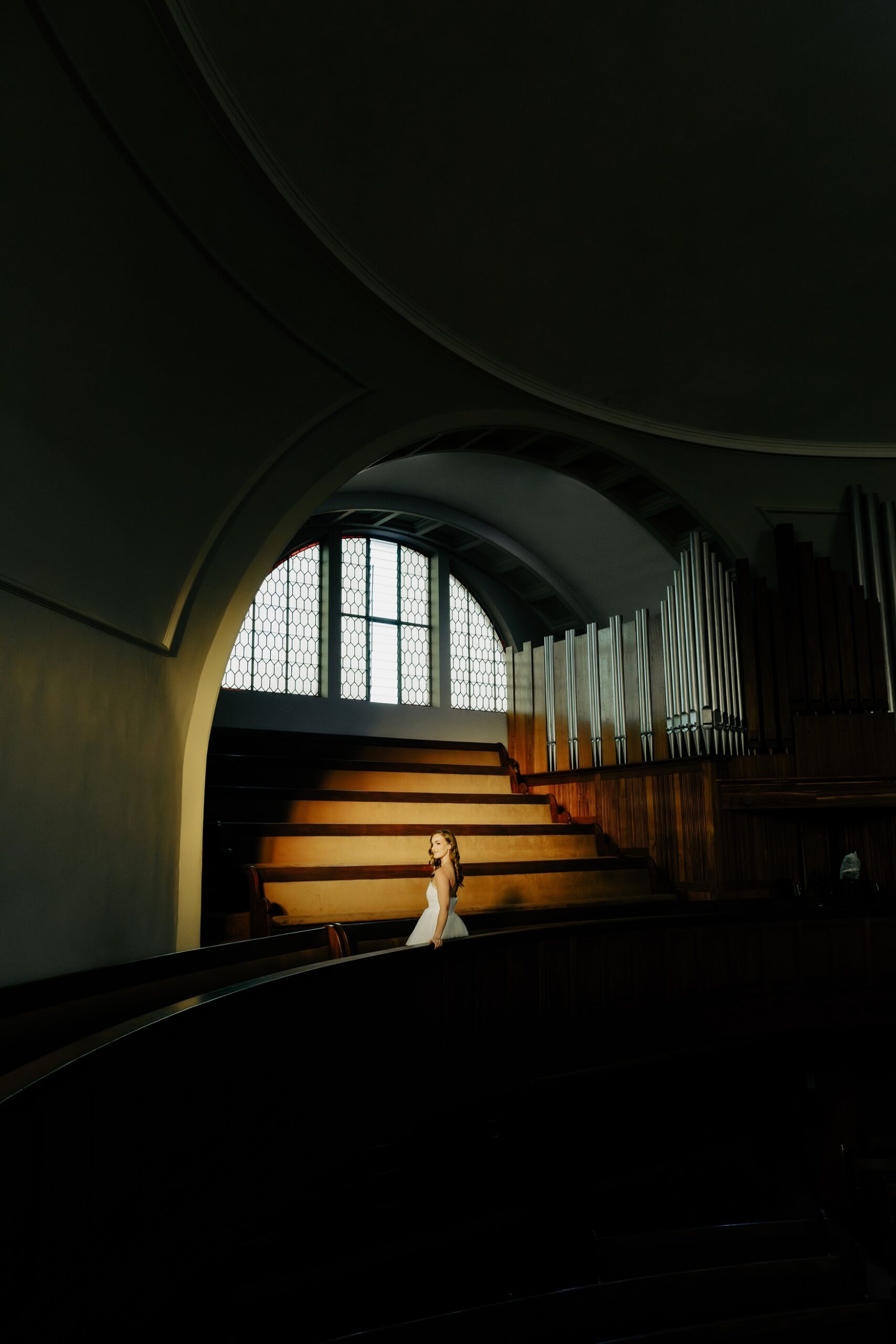
- Keeping an eye on light and locations
- Helping keep certain parts of the photography timeline moving
And importantly:
You shouldn’t have to know how to pose.
A good photographer should be able to guide you when necessary.
Expect some direction – but also room to be yourselves
There is a difference between:
“Stand here. Chin down. Smile. Don’t move.”
and:
“Walk together, talk to each other, forget I’m here for a second.”
Depending on the photographer’s approach, there may be some posing and direction, but there should also be room for natural interaction.
After all, you don’t want every photograph to look like you were waiting for the camera to take it.
Your photographer won’t capture everything
Let’s be real for a minute here.
Even with a full-day package, one person cannot physically be everywhere simultaneously. Having a second photographer is a great way to broaden your coverage if this is something that concerns you, but even two photographers can’t be in every place at exactly the same time.
Your photographer:
- May miss a guest’s reaction while photographing something else.
- Can’t photograph both sides of the venue at the exact same moment.
- May miss moments that happen unexpectedly and very quickly.
But the goal isn’t necessarily to photograph every single second.
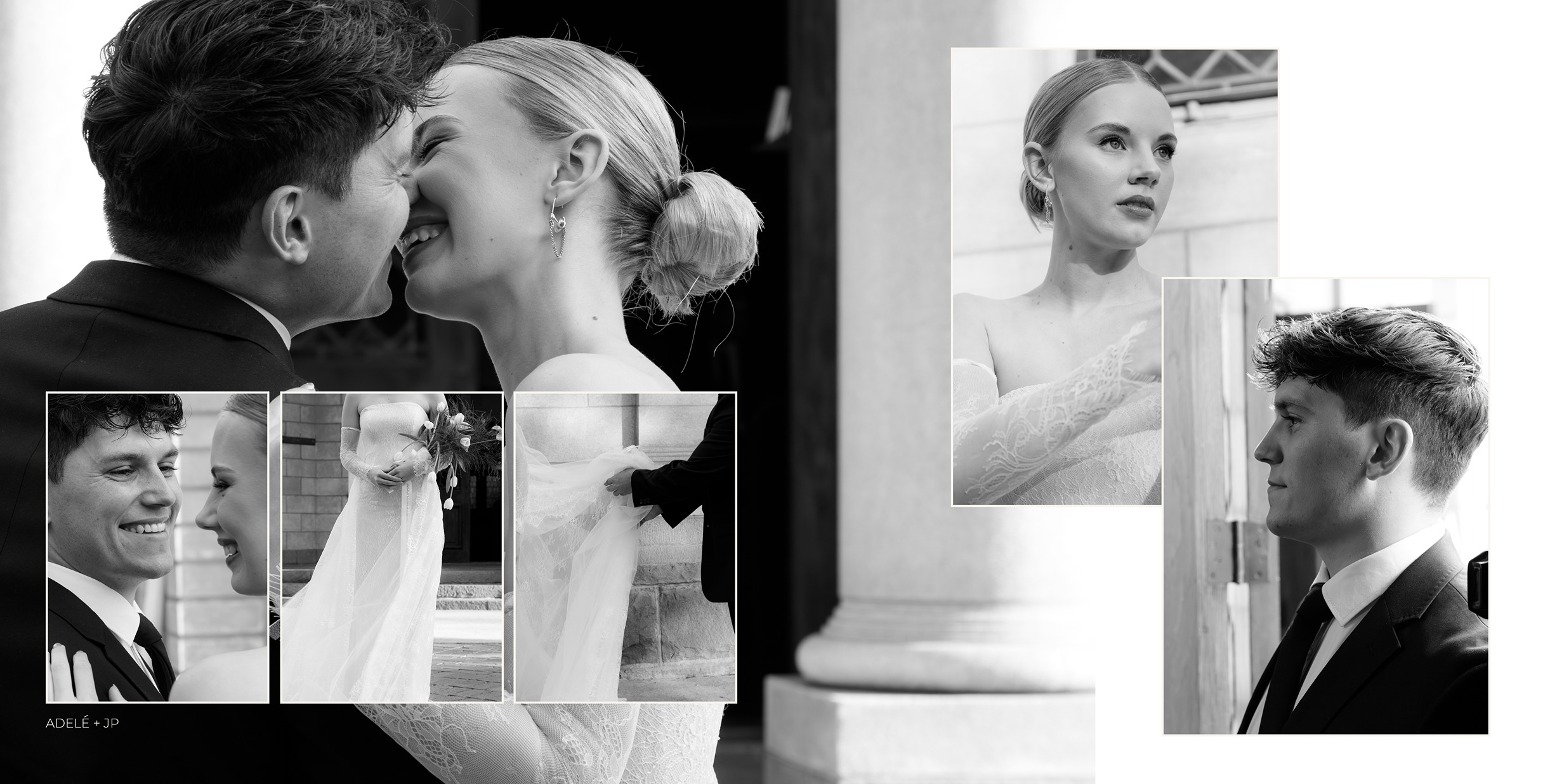
It’s to tell the story of the day through the moments that matter.
So let go of the expectation that your photographs are there to document your day verbatim, and lean into the idea that they are there to convey how it felt.
Expect the unexpected
Weddings are unpredictable.
- It might rain.
- Someone might cry.
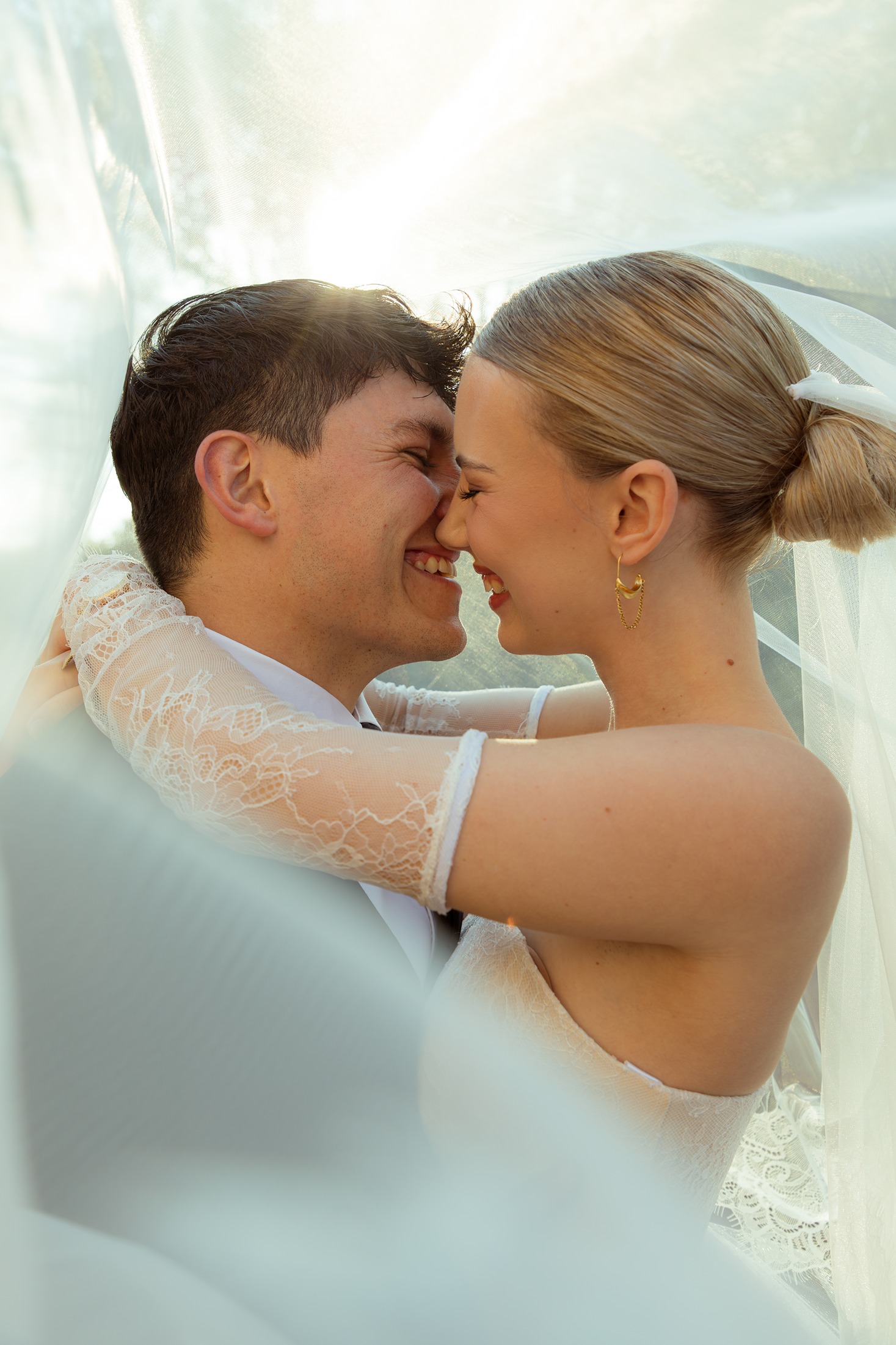
- Your veil might fly away.
- Your timeline might run late.
- Your flower girl might refuse to walk down the aisle.
- Your carefully planned photograph might turn into something completely different.
And that’s okay.
Your photographer should be able to adapt rather than panic.
Some of the best photographs happen because something didn’t go according to plan.
And that becomes part of your story!
How exciting!
What happens after the wedding?
Well, the wedding doesn’t end for the photographer when we’ve finished packing up our kit and head home.
No, that’s just the beginning!
Photographers still have to:
- Back up files
- Cull/select images
- Edit, colour-correct and retouch where appropriate
- Prepare the final gallery
- Potentially design albums and prints
And this process takes time.
It is important that you ask your photographer about their expected delivery timeframe before booking.
Each photographer works differently and has different workflows – so don’t assume every photographer delivers the exact same thing in the same timeframe.
What should you not expect?
- Every photograph to look exactly like something you’ve saved on Pinterest
- Your photographer to recreate another photographer’s work exactly
- Every image to be perfectly posed
- 5,000 “good” photographs simply because they took thousands of frames
- Your photographer to hand over RAW/unedited files as standard
- Every single guest to appear in the gallery
- Your photographer to be invisible and direct every moment simultaneously
Documentary photography and directed photography aren’t opposites.
A good wedding photographer often moves between observing and guiding depending on what the moment requires.
What should you expect?
Your photographer should give you:
Clear communication.
You should know what you’re paying for and what happens next.
Professionalism.
Contracts, timelines, backup systems, equipment and a clear delivery process matter.
Guidance.
You shouldn’t need to arrive knowing how to pose, where to stand or how wedding photography works.
Adaptability.
Things go wrong at weddings. Your photographer should be able to roll with it.
Respect.
You’re trusting them with some incredibly personal moments.
A gallery that feels like your day.
Not simply a collection of technically beautiful photographs.
And finally:
You should expect your photographs to take you back to how the day felt.
The real question isn’t:
“What should my wedding photographer do?”
It’s:
“How do I want to feel when I look back at these photographs twenty years from now?”
Because your photographer isn’t simply documenting the flowers, the dress and the venue.
They’re documenting the people, the emotions, the chaos, the quiet moments, the laughter and all the little things you didn’t even realise were happening.
And that’s what turns a wedding gallery into a story.