Written By: Muse & Memory Atelier
There is nothing quite like a wedding to create a melting pot of opinions. And while it is incredibly important to know what options you have available to you, it is equally important to distinguish your wants and expectations from those of everyone around you.
Your wedding day is the beginning of your next chapter, so ask yourself:
What do you want that chapter to feel like?
There is no “right” way to get married
Weddings have changed drastically over the years, and not all couples follow the exact same formula anymore. And that is okay!
Perhaps you dream of a full day surrounded by everyone you love. Perhaps you dream of exchanging vows somewhere quiet, intimate and completely removed from the expectations of a big wedding.
Neither one is more meaningful than the other.
The most important question to answer is:
What reflects your relationship, your priorities and the experience you want to have?
- So… What does an elopement actually look like?
Perhaps in the past, an elopement meant running away to secretly get married — cue Romeo and Juliet.
But modern elopements hold far more potential.
It could be just the two of you saying your vows on a mountain peak, or you and a handful of your favourite people. It could be somewhere that holds special meaning to you as a couple. Or perhaps it is a courthouse ceremony followed by photographs, dinner and a night spent celebrating together.
Elopements have evolved into intentional, intimate celebrations rather than simply being a scaled-down version of a traditional wedding.
An elopement doesn’t have to mean “less wedding.” It can simply mean a different kind of wedding.
- What makes a traditional wedding special?
Traditional weddings are about so much more than the bouquet toss and vibes on the dancefloor.
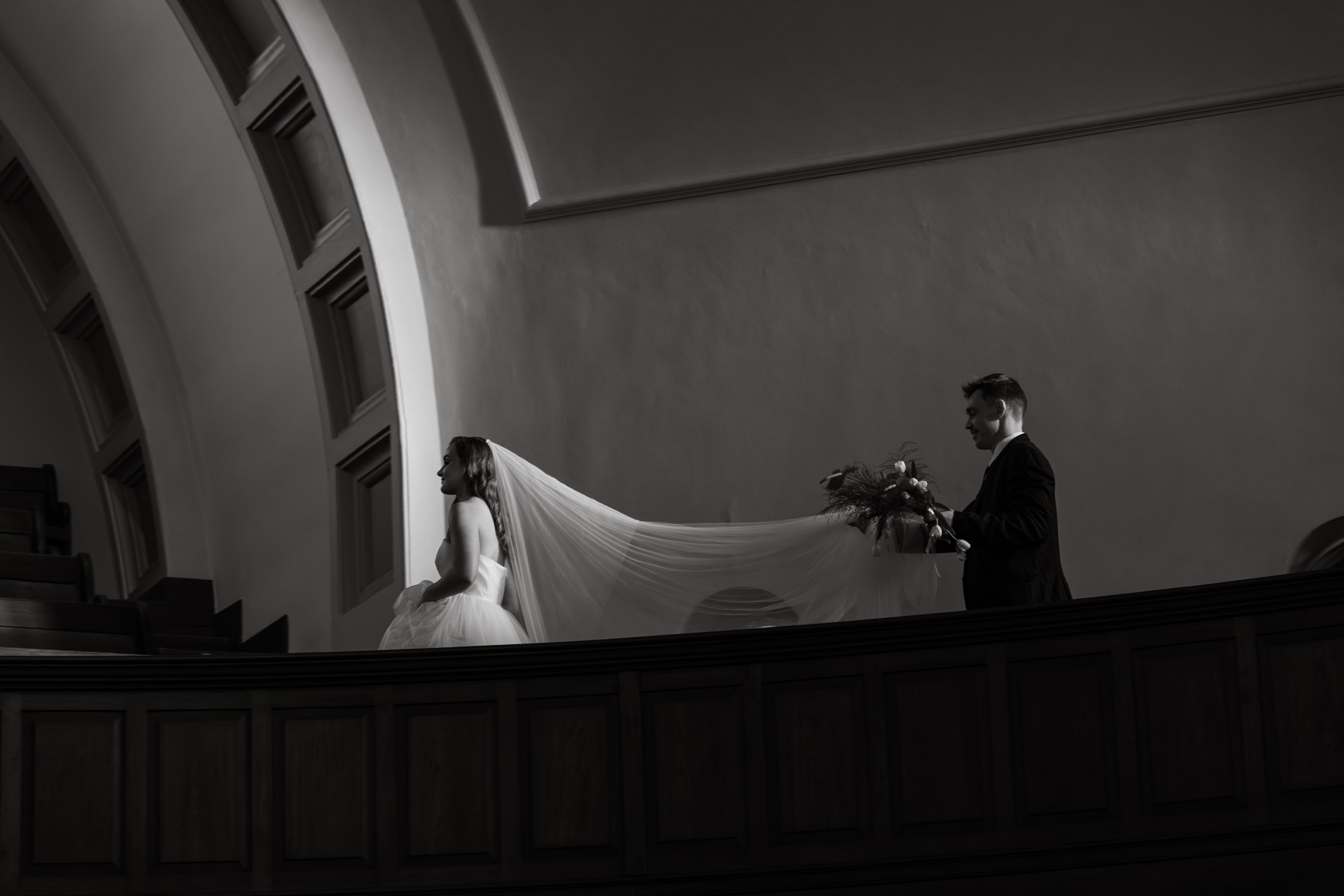
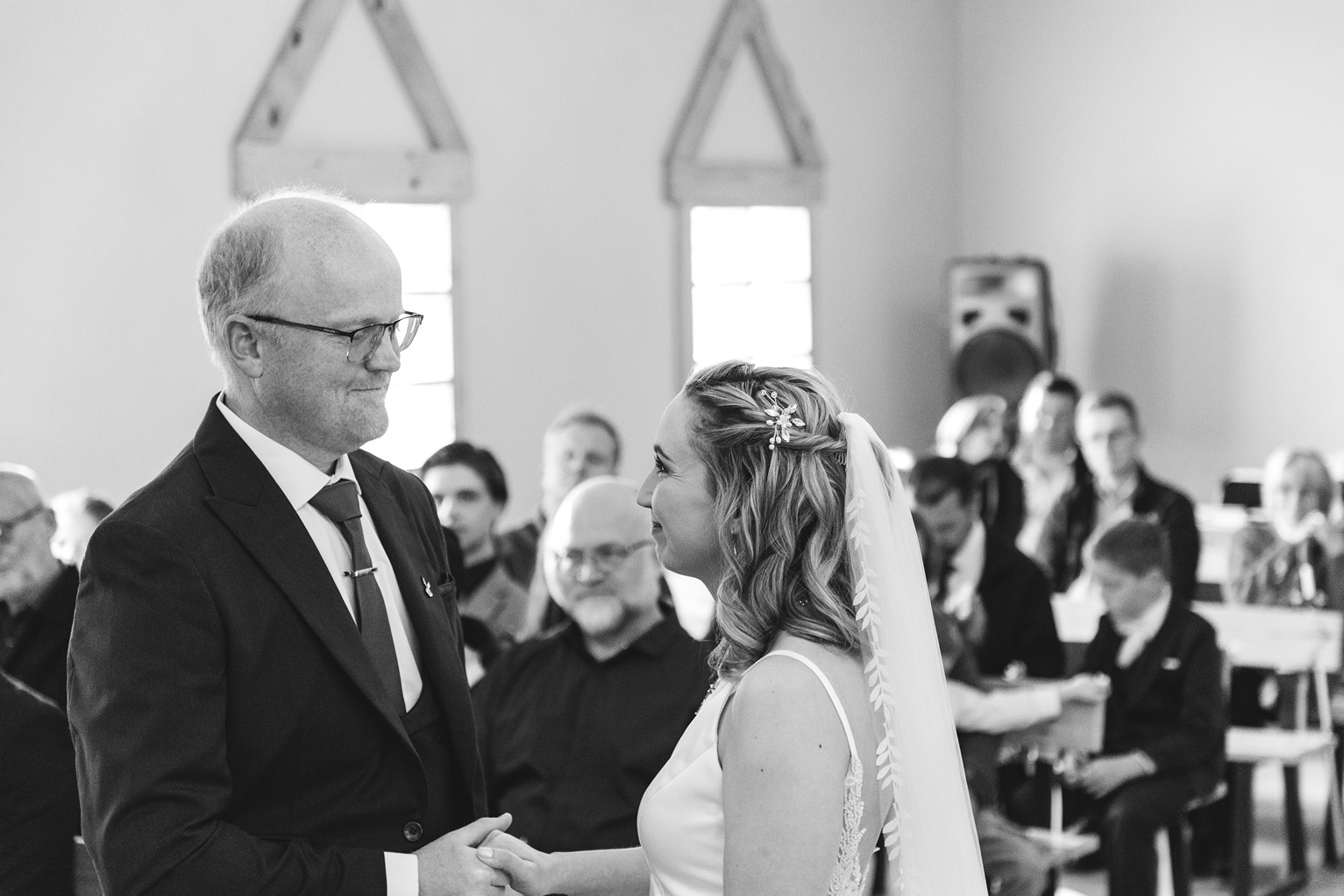
They give you the opportunity to make meaningful memories with your people on your special day. Having your parents walk you down the aisle. Having your closest friends get ready with you that morning. Hearing the stories and speeches. Watching the people you love celebrate alongside you.
It also gives the people who have supported and loved you throughout your lives the opportunity to honour you on one of the most important days of your life simply by being there.
An important question to ask is:
Who do you want standing in the room when you say “I do”?
- What matters most to you as a couple?
Ask yourselves the tough questions:
Do you want intimacy or community?
Would you rather have a quiet day where your attention stays almost entirely on each other, or do you want the people you love to experience the day with you?
Do you want adventure or tradition?
Would saying your vows somewhere completely unexpected feel like you, or do you have your heart set on the familiar rituals you’ve imagined since childhood?
Do you want flexibility or structure?
An elopement can allow you to build the day around yourselves. A larger wedding naturally comes with more logistics, timelines and coordination.
What do you actually enjoy?
This is a big one.
If the thought of being the centre of attention makes you uncomfortable, a huge wedding may feel very different from what you’ve imagined.
But if you love a party, love bringing people together and can’t imagine celebrating without your entire family and friendship circle, an intimate elopement may leave you wishing you’d had everyone there.
- Think about the experience, not just the aesthetic
Pinterest can make both options look beautiful.
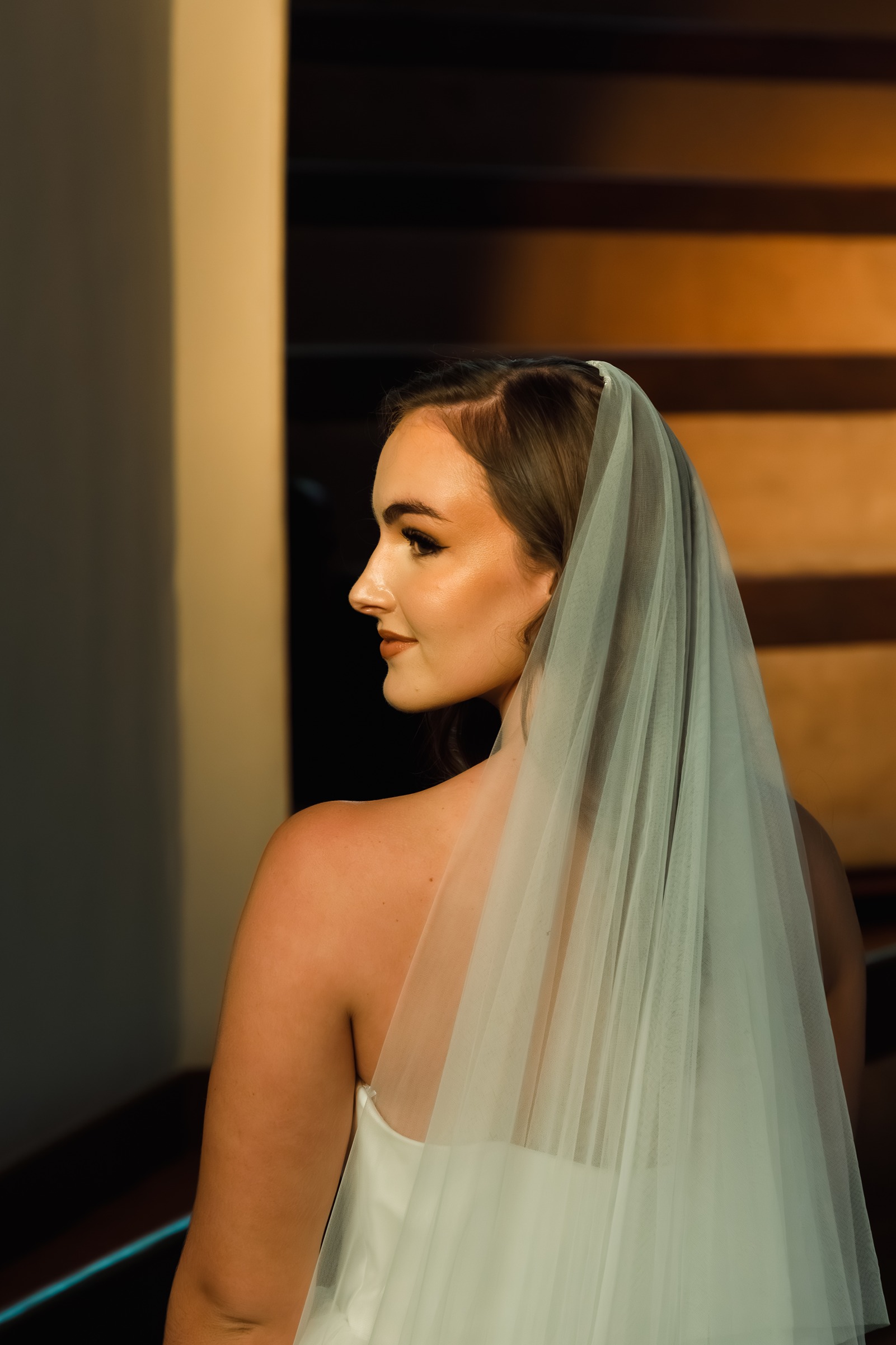
An elopement can look dreamy and cinematic.
A traditional wedding can look grand and romantic.
But ask yourself:
What do you want to remember about the day?
Not just what the venue, the dress or the tables looked like.
Think about how you felt. Who was there. What you did together. Which little moments you want to remember. And what kind of story you want your photographs to tell years from now.
Because beautiful details are wonderful — but they are only one part of the story.
- Your budget doesn’t have to determine the meaning
Your budget is absolutely important and not a factor to ignore. But an elopement and a traditional wedding simply give you different ways to allocate that budget.
For example:
Elopement:
- More of the budget could go towards travel
- An incredible location
- A longer photography experience, especially if you don’t have guests waiting for you to arrive
- A special experience together — like skydiving in your wedding dress!
Traditional wedding:
- Venue
- Catering
- Décor
- Entertainment
- More guests
- Bridal party
The point isn’t “one costs less.”
Rather, it is:
What do you want your wedding budget to create for you?
- And then there’s the “people you might disappoint” conversation
I’m going to hold your hand for this one.
Sometimes the choice isn’t actually:
“What do we want?”
It’s:
“What will everyone else expect us to want?”
Perhaps your parents have always imagined a traditional wedding. Perhaps your friends expect to be bridesmaids or groomsmen. Maybe you feel guilty about not wanting the kind of wedding everyone assumed you would have.
And that guilt can be enough to sway you into doing something you don’t really want for yourselves.
But ultimately, this is your marriage and your wedding day.
That doesn’t mean ignoring the people you love. It means having an honest conversation about what matters to you as a couple.
And there are plenty of ways to find a middle ground:
- Small ceremony + larger celebration later
- Elopement + engagement party
- Intimate destination ceremony + reception when you return
- Immediate-family ceremony + relaxed celebration with friends
You don’t necessarily have to choose between just the two of you and everyone you’ve ever met.
- Photography looks different — but the story matters in both
This is where things get really interesting from a storytelling perspective.
For an elopement, there may be more space for:
- Exploring
- Wandering
- Unhurried portraits
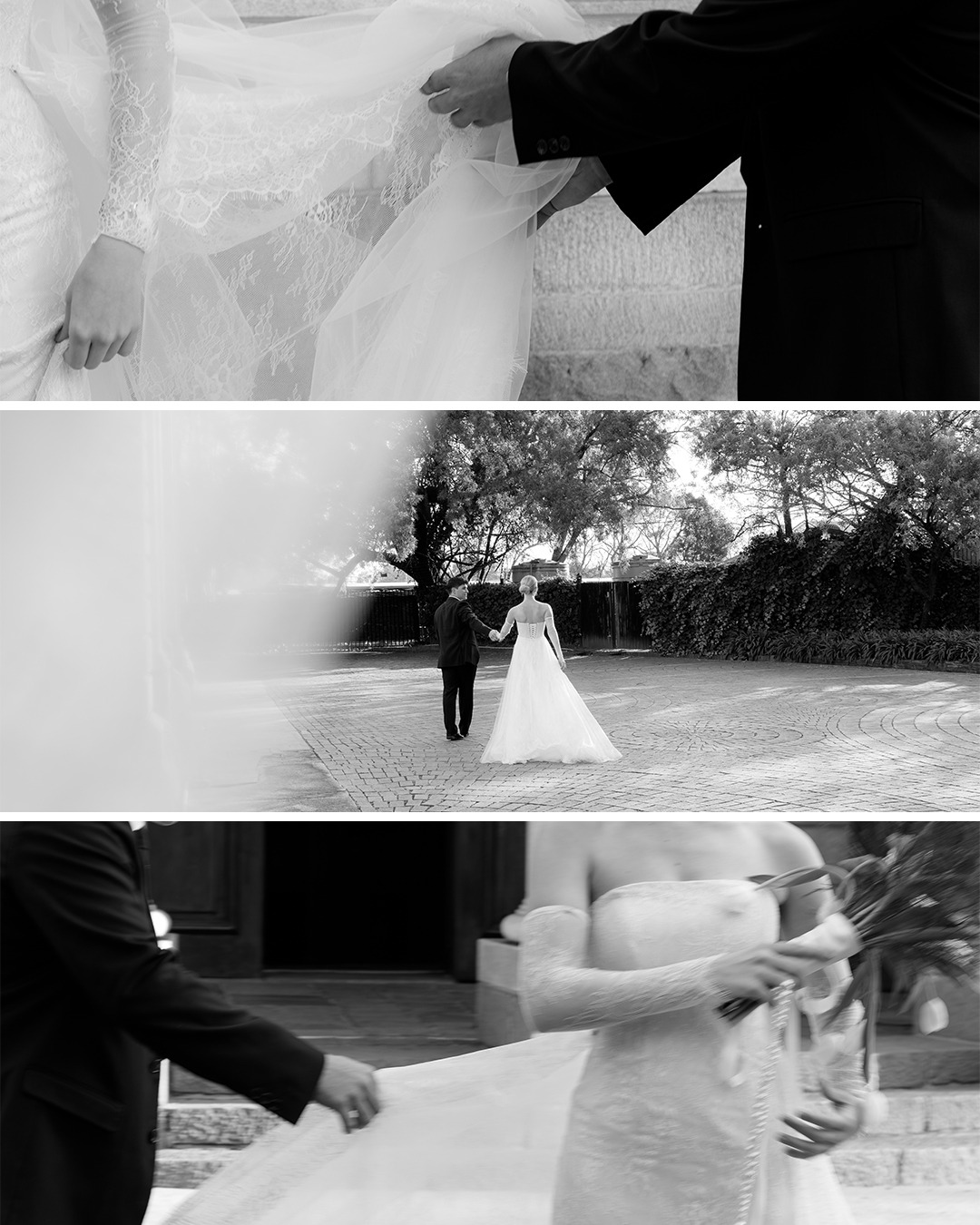
- Documenting the location
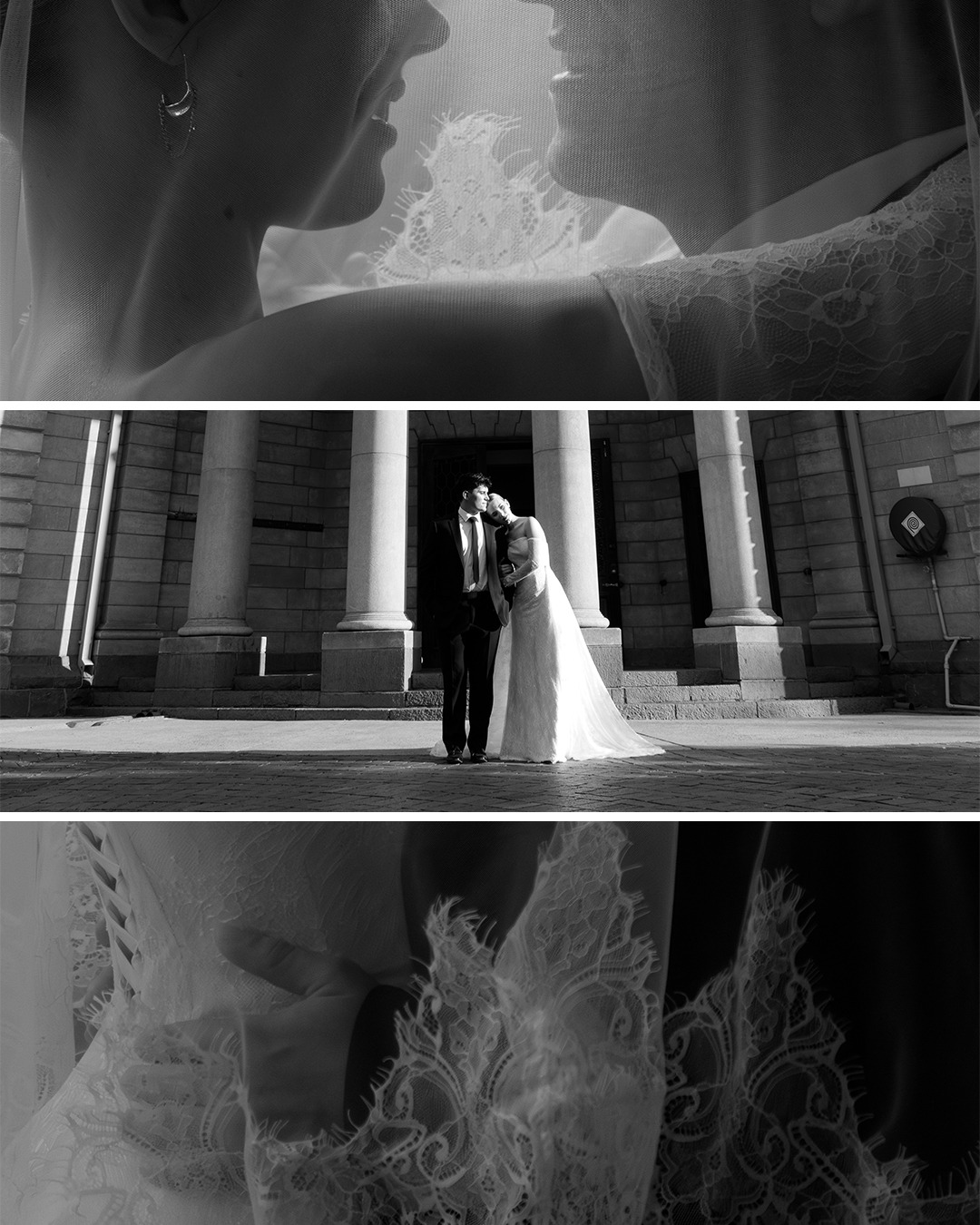
- Quiet moments together
- Adventurous photographs
- A more fluid timeline
For a traditional wedding, there are completely different storytelling opportunities:
- Getting ready with loved ones
- Bridal party chaos
- Parents’ reactions
- Ceremony anticipation
- Friends crying and laughing
- The hugs and congratulations afterwards
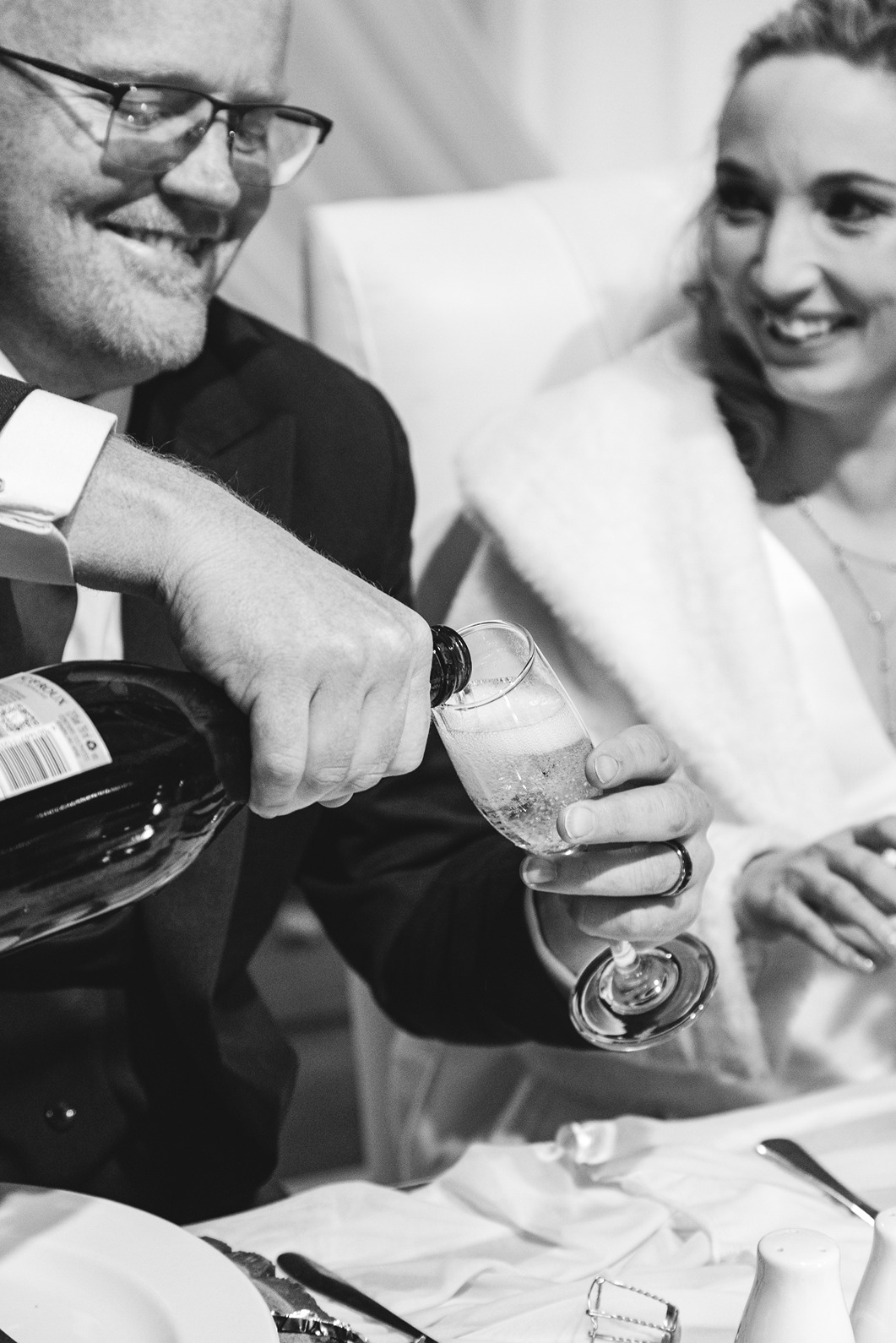
- Speeches
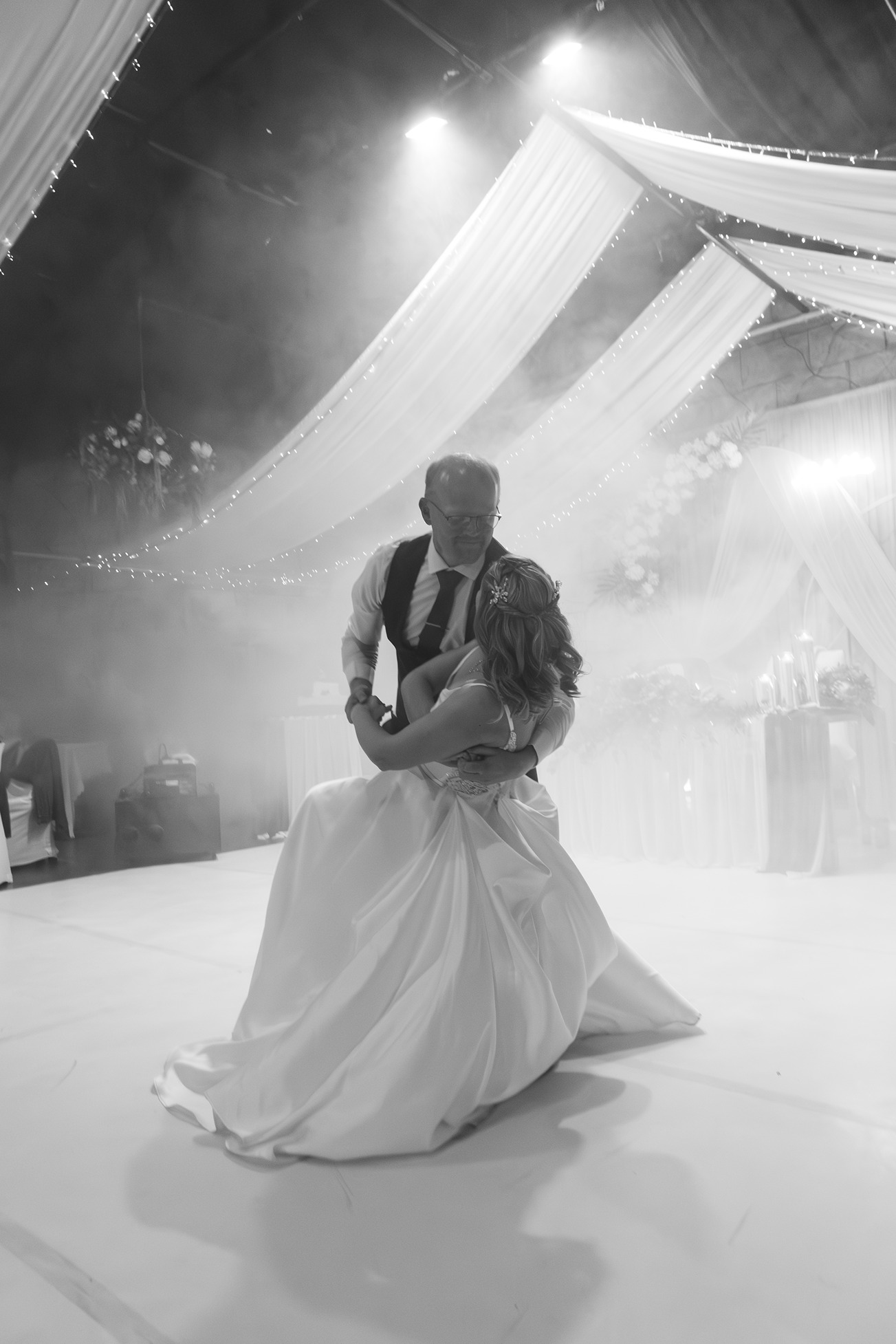
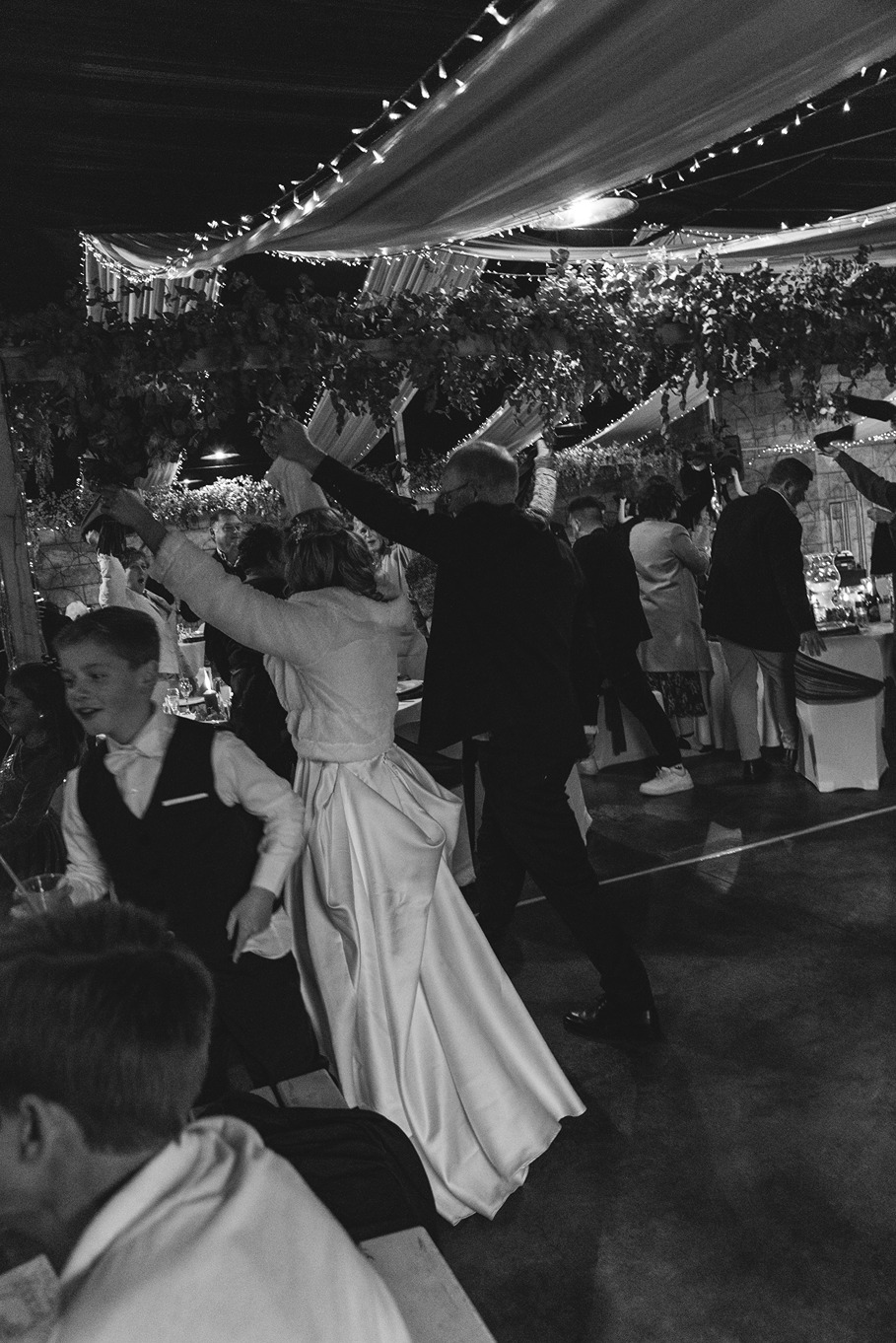
- Dancing
- All those tiny in-between moments
Neither gives you a better story. They simply give you a different story to tell.
So, which sounds more like you?
An elopement might feel right if…
- You want the day to feel deeply personal and intimate.
- You’d rather spend money on experiences than a large guest list.
- Adventure is a big part of your relationship.
- You don’t particularly enjoy being the centre of attention.
- You love the idea of creating your own traditions.
- The thought of disappearing somewhere beautiful together sounds like heaven.
A traditional wedding might feel right if…
- Having your people there is an essential part of the celebration.
- You love the idea of bringing two families together.
- You enjoy traditions and rituals.
- You want a big celebration with dinner, speeches and dancing.
- You’ve dreamed about the whole wedding experience — getting ready, walking down the aisle, your first dance and everything in between.
- You want to create memories with a large group of people you love.
Or perhaps you’re somewhere in the middle.
Your wedding doesn’t have to look like anyone else’s to be meaningful. It doesn’t need to fit a Pinterest board, a family expectation or a traditional checklist.
Whether you exchange vows with your toes in the sand and only a handful of people beside you, or walk into a room filled with everyone you’ve ever loved, the most important thing is that the day feels like your story.
Because years from now, the details may blur. But you’ll remember how it felt to begin this chapter together.
And the photographs aren’t just documenting what the wedding looked like. They’re helping preserve what it felt like.
And that, right there, is the secret sauce.