
Written by: Phoebe Owen
Environment, Sustainability
Thanks to planes and trains, the world really is your oyster when it comes to choosing your dream wedding destination. Whether you want to get married on a remote beach or hold your nuptials in a bustling city centre, there are so many beautiful places available to modern couples. Luckily, South Africa has it all – and there’s nothing better than hosting your special day in the place you call home. With its mesmerising natural beauty, fascinating culture and delicious wine, South Africa is the perfect choice for any wedding – so it’s no wonder that both locals and engaged couples travelling from further afield want to marry in our beautiful country.
No matter how far you travel for your wedding, there’s always the impact on the planet to consider. Transporting you and your wedding party to your venue can come with a heavy carbon footprint, particularly if you have guests arriving from overseas – so, it’s more important than ever to ensure that your celebrations are as sustainable as possible. In this post, we explore how you can start married life in a way that’s good for you and the environment.
Embrace your home
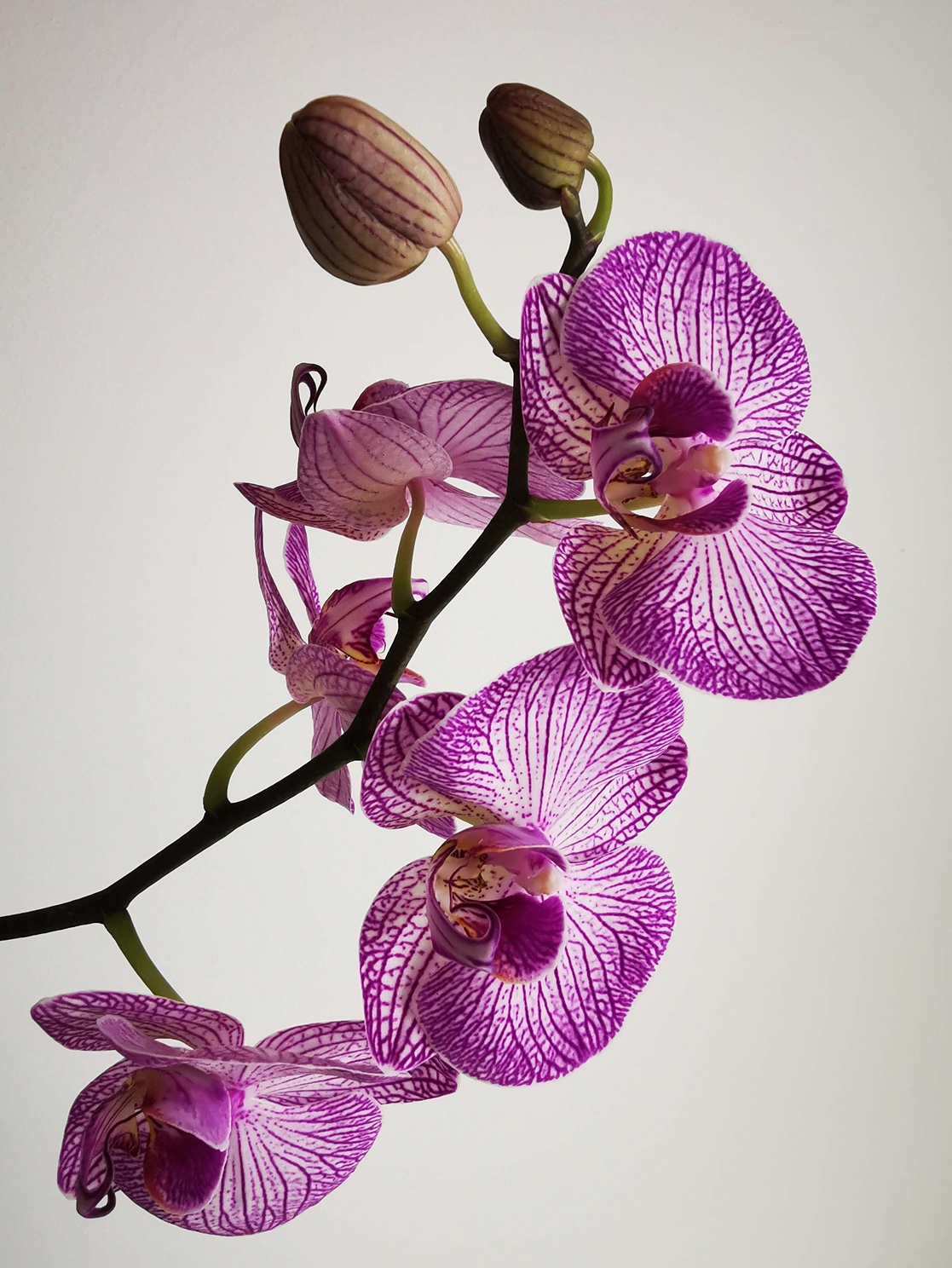
South Africa has so much to offer – stunning flowers such as orchids and protea for your wedding bouquet, tasty national food dishes to satisfy your palate, and some of the best wine in the world. Part of being sustainable is embracing our culture and working with what’s native to our country.
By working with ingredients and decorations that are locally sourced and seasonal, you can significantly reduce your carbon footprint and have a celebration true to South African traditions.
Work with local suppliers
Deciding on suppliers can feel daunting – there are so many to choose from, and you want everything to be perfect. Plus, you want to ensure you’re working with suppliers who are doing their bit to be kind to the environment.
Many people rely on imported items to decorate their wedding venue. These tend to be widely advertised and easy to order online, however they’re not the most sustainable option. On the other hand, working with local suppliers will help your day run smoothly and give you one less thing to worry about when it comes to your sustainable wedding. Locally made decorations are less likely to need shipping to your destination, meaning that they have a lower carbon footprint. From local florists who can advise on seasonal blooms and ensure they survive the weather conditions on the day, to a wedding planner who can coordinate your sustainable decor preferences with ease, local suppliers are your best friend.
Depending on how far you’re travelling for your big day, you may need a professional who is familiar with the local area to source the items you need to have a planet-friendly celebration. Plus, they’ll be able to ensure that as little waste is created as possible, thanks to their knowledge of recycling and repurposing schemes in the area.
Respect the landscape
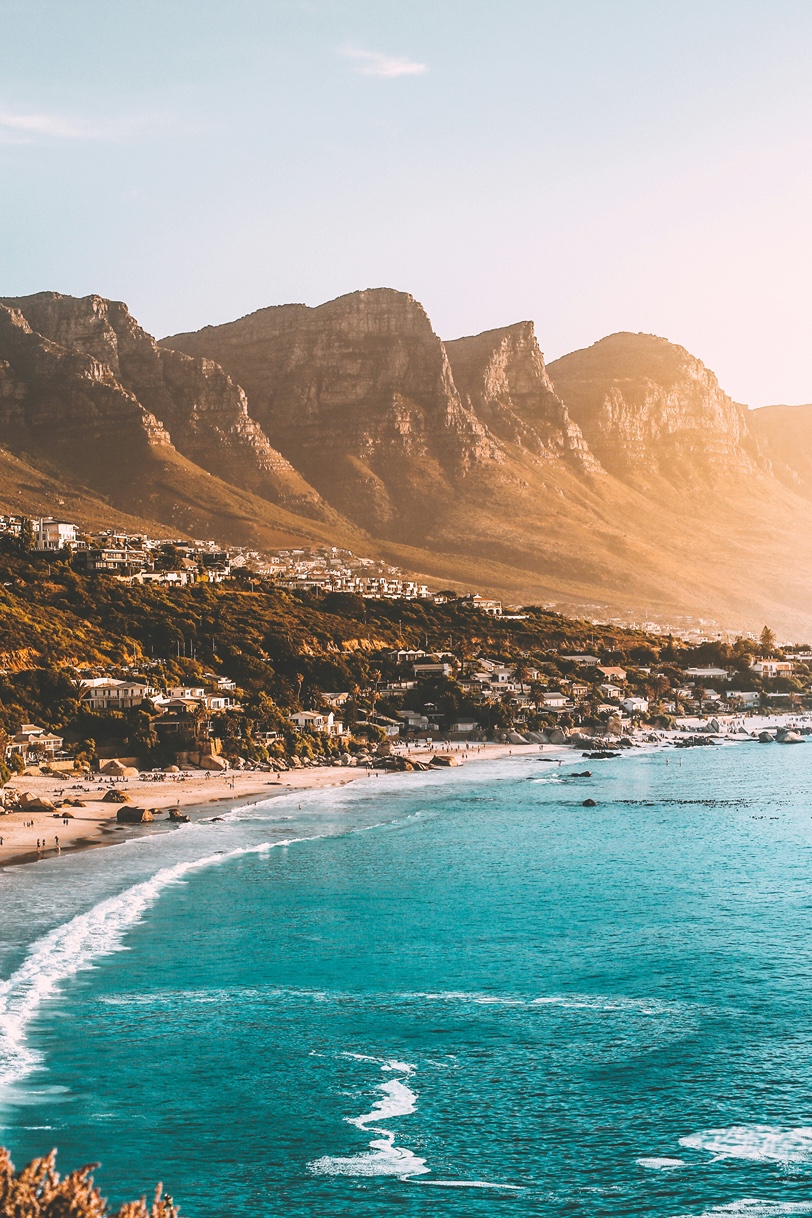
The sweeping landscapes and fascinating wildlife of South Africa almost beg you to consider getting married outdoors. From stately outdoor pavilions to barefoot beach spots, a wedding under a (hopefully) sunny sky can be a fantastic experience, and certainly one to remember. Especially if you’re trying to reduce the amount of decor you’re using to limit waste, an outdoor wedding lets the natural scenery do the job for you.
It’s vital, however, that you respect the landscape you’re borrowing for the day and leave no trace of your celebrations. Even picking wildflowers or creating a seating area on the beach has an impact, so be mindful of leaving no trace as much as you possibly can.
A sustainable start to your life together
By choosing to have a sustainable wedding, you’re starting the next chapter of your lives with a good deed – surely a positive sign for the years to come. Work with your chosen venue and local suppliers to create a day that you’ll remember for all the right reasons.
More about the writer:
Phoebe Owen is a freelance writer and editor who focuses mainly on sustainability and scientific issues. She graduated with a degree in English Language and enjoys writing articles that are thought-provoking and provide readers with important insights on how to save our planet.