
Written By: Eryquin Ferguson – Bruidsgids
The Veil Revolution
From Juliet caps to sculptural fascinators, bridal headwear is entering a new era of individuality. As fashion looks towards 2027, the most compelling bridal statement may no longer be the dress, but what sits above it.
For decades, the bridal veil has occupied a curious position in fashion. At once symbolic and decorative, traditional and deeply personal, it has remained one of the few elements of bridal dress largely untouched by the changing whims of contemporary style. Until now.
A new fascination with vintage-inspired headwear is challenging the dominance of the conventional veil. Delicate birdcage netting, romantic Juliet caps, structured pillbox hats and extravagant fascinators are emerging as compelling alternatives to sweeping lengths of ivory tulle.
It is a revival that feels both nostalgic and unmistakably modern. Rather than abandoning tradition altogether, brides are borrowing from fashion history to create something entirely their own.
And the renewed interest is measurable.
According to Pinterest’s 2026 Wedding Trends Report, searches for fascinator styles have increased by an extraordinary 1,865%, while searches for Juliet veil caps have risen by 245%. Pearl headdresses have experienced growth of 225%, and custom wedding hats have seen a 155% increase in search interest.
For the bridal fashion industry, these figures point towards an intriguing development: headwear is no longer merely the finishing touch. It is becoming a defining element of the look itself.
The Short Veil Is Having Its Fashion Moment
There is something wonderfully subversive about a bride who chooses less veil rather than more.
While cathedral-length veils have traditionally delivered drama through their sheer scale, shorter silhouettes possess an entirely different kind of confidence. A birdcage veil skimming the eyes or a delicate arrangement of French netting introduces an almost cinematic sophistication.
The references are familiar: mid-century couture, archival fashion photography and the polished femininity of an era when accessories were considered essential rather than optional.
Yet the contemporary interpretation is far from costume.
Paired with an architectural silk gown, a sharply tailored bridal suit or a sculptural mini dress, the short veil feels fresh, considered and quietly rebellious.
Its appeal lies in the contrast. A traditional bridal symbol becomes an unexpectedly modern fashion statement, allowing the bride’s face, jewellery and silhouette to take precedence.
For brides drawn to understated elegance, it offers an alternative to elaborate embellishment without sacrificing a sense of occasion.
And for those planning multiple bridal looks, a short veil can introduce a completely different mood for the reception or civil ceremony.
The result is not necessarily less romantic. It is simply a different expression of romance.
The Juliet Cap and the Return of Old-World Romance
If the birdcage veil belongs to the language of mid-century sophistication, the Juliet cap speaks to something altogether more poetic.
Characterised by its close-fitting construction and often accompanied by delicate lace or flowing tulle, the Juliet cap recalls historical dress and the romantic bridal fashions of the early twentieth century.
Its name evokes Shakespeare’s Juliet, although the modern bridal interpretation owes much to subsequent revivals of historical and Renaissance-inspired fashion.
There is an almost heirloom quality to the silhouette.
Fine lace, intricate embroidery, softly scalloped edges and delicate pearl embellishments create the impression of an accessory discovered in a beautifully preserved family archive.
Yet this sense of history is precisely what makes the Juliet cap feel relevant again.
In an era of rapidly changing fashion, craftsmanship and personal significance offer a compelling alternative to the disposable nature of trend-driven dressing.
Pinterest’s 245% increase in searches for Juliet veil caps suggests that contemporary brides are rediscovering the appeal of this romantic silhouette.
For 2027, its most interesting interpretation may be found in contrast: an intricately detailed lace cap paired with a minimalist silk gown, or a vintage-inspired veil worn with a contemporary dropped-waist dress.
The beauty lies in allowing the accessory to carry the romance while the remainder of the ensemble remains beautifully restrained.
The Pillbox Hat: A Study in Sixties Elegance
Few accessories have achieved the cultural recognition of the pillbox hat.
Its clean, brimless silhouette became synonymous with the polished elegance of Jacqueline Kennedy, whose wardrobe helped establish the style as an enduring symbol of mid-century sophistication.
In bridal fashion, the pillbox offers something the traditional veil rarely does: structure.
Where tulle moves and floats, the pillbox introduces shape, proportion and architectural precision.
Its appeal is particularly striking when worn with tailored bridal ensembles. A sharply cut ivory jacket, an elegant column dress or a structured mini gown becomes instantly more distinctive when accompanied by a beautifully proportioned pillbox.
A fine veil can be attached to soften the silhouette, introducing a delicate interplay between structure and transparency.
The result feels unmistakably vintage without becoming overly nostalgic.
For the contemporary bride, this is the enduring attraction of the pillbox: it is an accessory that commands attention through its simplicity.
The Royal Ascot Effect: The Art of Making an Entrance
Not every bride is interested in restraint.
At the opposite end of the aesthetic spectrum, the elaborate world of British occasionwear offers an altogether more theatrical proposition.
Royal Ascot has long provided a stage for extraordinary millinery, where sculptural forms, sweeping brims, elaborate bows and oversized floral constructions transform headwear into wearable art.
It is an approach to dressing that celebrates the occasion itself.
Unlike the pillbox, which derives its elegance from precision, statement fascinators embrace movement, volume and extravagance.
A saucer-shaped fascinator might appear to float above the head. Sculptural fabric petals can introduce extraordinary dimension, while delicate veiling creates an element of mystery.
These are not accessories designed to disappear into an ensemble. They are intended to be noticed.
Pinterest’s reported 1,865% increase in searches for fascinator styles provides a striking indication of renewed curiosity about expressive millinery.
The trend also extends beyond bridal dressing.
For mothers of the bride and groom, wedding guests and those attending formal daytime celebrations, bespoke millinery offers an opportunity to approach occasionwear with greater imagination.
In South Africa, where elegant garden weddings and countryside celebrations provide particularly beautiful settings for formal dressing, the revival presents an exciting opportunity for local designers and milliners.
The challenge, of course, is proportion.
The most successful statement headwear does not simply compete with an outfit. It completes its visual composition.
Beyond the Veil: Pearls, Headdresses and the New Bridal Ornamentation
The revival of bridal headwear is not limited to veils and hats.
Pinterest has also recorded a 225% increase in searches for pearl headdresses, suggesting a renewed appetite for more decorative forms of bridal adornment.
Unlike conventional pearl hairpins, which often serve as subtle finishing touches, contemporary pearl headdresses can become elaborate constructions in their own right.
Think delicate strands framing the face, intricate arrangements tracing the hairline or sculptural pieces that blur the boundaries between jewellery and millinery.
The appeal is almost architectural.
Pearls introduce luminosity and texture while maintaining their longstanding association with bridal elegance.
Yet their contemporary application feels less conventional, particularly when combined with sleek hairstyles, sculptural gowns or minimalist tailoring.
It is another indication that the relationship between bridal fashion and accessories is evolving.
The dress no longer needs to carry every element of the visual statement.
Sometimes, the most extraordinary detail is the one that frames the face.
Why Fashion Is Looking Backwards to Move Forwards
The renewed interest in vintage bridal headwear reflects a familiar paradox in fashion: the past often provides the most compelling inspiration for the future.
From the romanticism of early twentieth-century bridal dressing to the architectural elegance of the 1960s, historical references are continually reinterpreted through contemporary design.
What makes the current revival interesting is not simply its nostalgia, but the freedom with which these references are being combined.
A bride might choose a Juliet cap with a modern silk gown, a pillbox hat with a tailored suit or an extravagant fascinator with a beautifully restrained dress.
These combinations resist the idea that bridal fashion must belong to a single aesthetic period.
They also suggest a broader shift in how brides approach personal style.
Rather than assembling an ensemble around a prescribed idea of what a bride should look like, accessories offer an opportunity to express individual taste, cultural references and personal identity.
For some, that means understated elegance. For others, theatricality, romance or a deliberate departure from convention.
The common thread is intentionality.
The South African Perspective: An Emerging Opportunity for Bridal Fashion
International trend reports provide a useful indication of changing fashion interests, but the South African bridal market has its own distinct character.
Bruidsgids & Wedding Guide’s internal digital readership analysis recorded 1,256 page views across a selected bridal accessories category between 1 January and 18 October 2026, alongside engagement with individual veil product pages.
While these figures reflect broader bridal accessory readership rather than confirmed demand for individual headwear styles, they provide a local point of reference alongside Pinterest’s international search trends.
Together, the findings create an interesting editorial opportunity for South African bridal designers, stylists and milliners.
The country’s varied wedding settings lend themselves to remarkably different interpretations of the trend.
A sculptural pillbox might feel entirely appropriate at a contemporary city celebration, while a lace Juliet cap offers an exquisite complement to the atmosphere of a historic Cape Dutch estate.
For a formal garden wedding, dramatic millinery can introduce a sense of occasion, while a short veil offers a modern alternative for intimate ceremonies and fashion-led celebrations.
Perhaps most importantly, the movement creates opportunities for local craftsmanship.
Bespoke headwear, hand-finished lace, intricate beadwork and carefully constructed millinery all offer possibilities for designers interested in creating distinctive bridal accessories.
Rather than reproducing international trends exactly, South African bridal fashion has an opportunity to interpret them through its own creative perspective.
The Bridal Forecast for 2027: Individuality Above All
Does the return of statement headwear mean the traditional cathedral veil is disappearing?
Almost certainly not.
The enduring appeal of the classic bridal veil lies in its ability to transform a dress into something ceremonial, romantic and deeply symbolic.
But the growing interest in alternative headwear suggests that brides are becoming increasingly willing to reconsider what bridal tradition can look like.
For 2027, Bruidsgids & Wedding Guide anticipates greater editorial attention on vintage-inspired silhouettes, expressive millinery, bespoke craftsmanship and accessories that allow for more individual interpretations of bridal style.
The most compelling looks will not necessarily be the most extravagant, nor the most unconventional.
They will be the ones in which every element feels deliberate.
A delicate veil, a beautifully proportioned hat or an extraordinary pearl headdress can completely transform the character of a bridal ensemble.
And perhaps that is the real significance of the veil revolution.
It is not about replacing one tradition with another, but about expanding the possibilities of bridal fashion.
After all, the most memorable bridal statement may not be the dress itself, but the unexpected detail that completes it.
Research sources: Pinterest Wedding Trends Report 2026, published 28 April 2026; Bruidsgids & Wedding Guide internal digital readership analysis, 1 January–18 October 2026.
Pinterest figures represent reported changes in search interest and should not be interpreted as sales growth or South African-specific consumer demand. The 2027 forecast reflects Bruidsgids & Wedding Guide’s editorial interpretation of emerging bridal fashion trends.
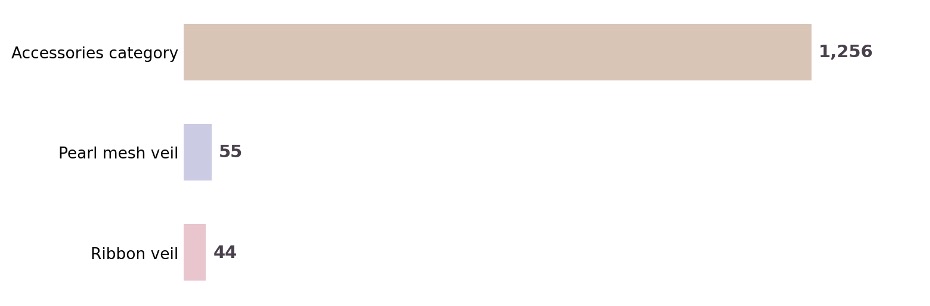
Figure 1: South African Bridal Accessories: A Local Perspective
The appeal of bridal accessories. Bruidsgids & Wedding Guide’s digital readership analysis reveals engagement with bridal accessory content between 1 January and 18 October 2026, including 1,256 page views across a selected accessories category and visits to individual veil product pages. These figures offer a snapshot of local readership interest rather than a measure of purchasing demand.
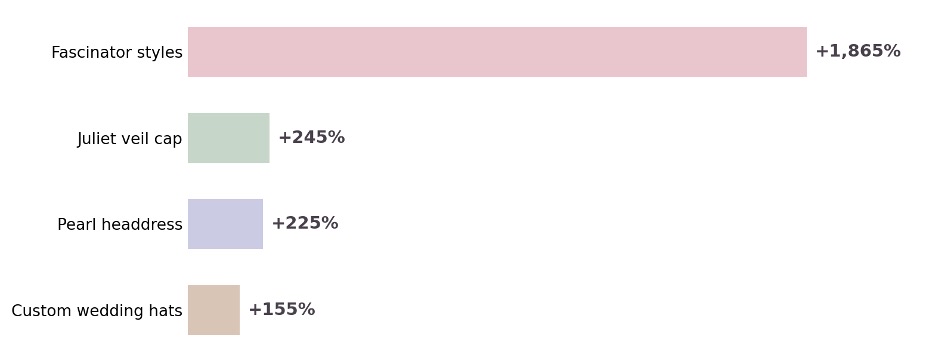
Figure 2:The Revival of Vintage-Inspired Bridal Headwear
The accessories making a statement. Pinterest’s 2026 Wedding Trends Report reveals a striking rise in international search interest for fascinator styles (+1,865%), Juliet veil caps (+245%), pearl headdresses (+225%) and custom wedding hats (+155%). The findings highlight renewed curiosity about expressive millinery and romantic, vintage-inspired bridal accessories.